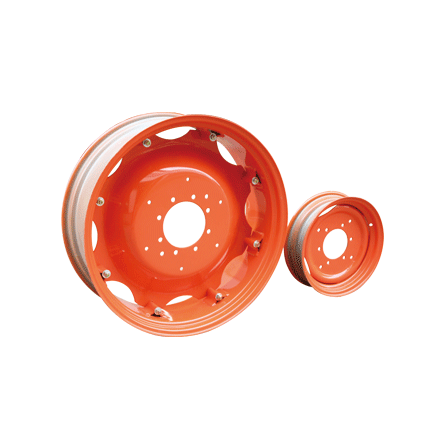
tractor hubs
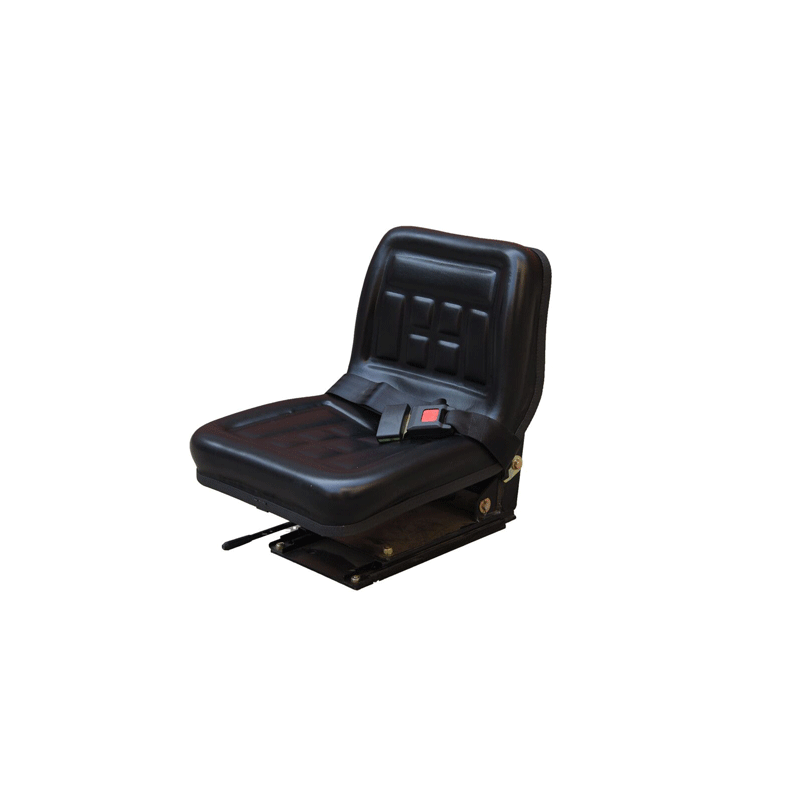
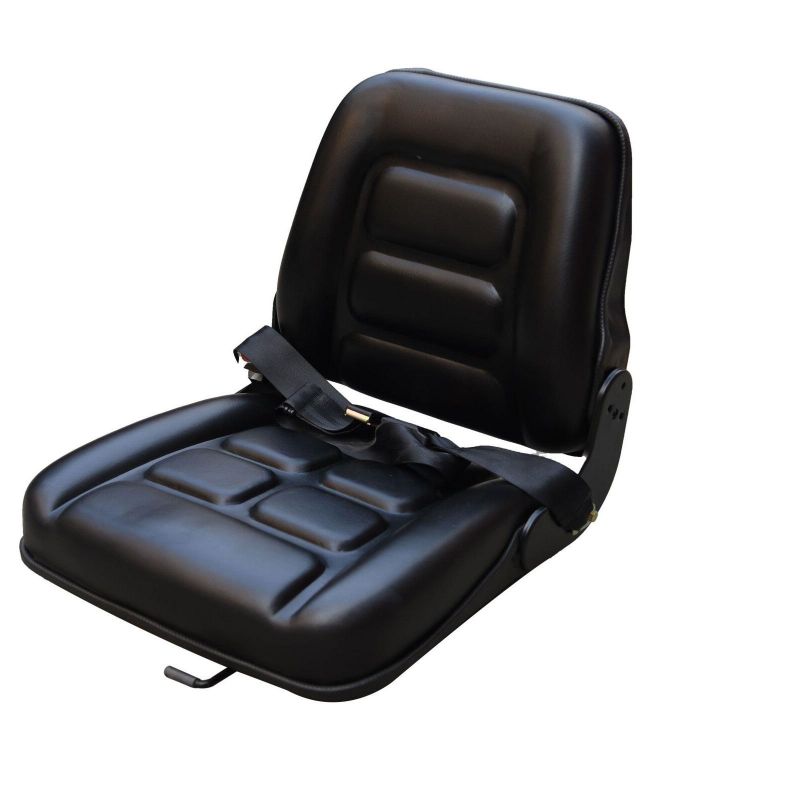
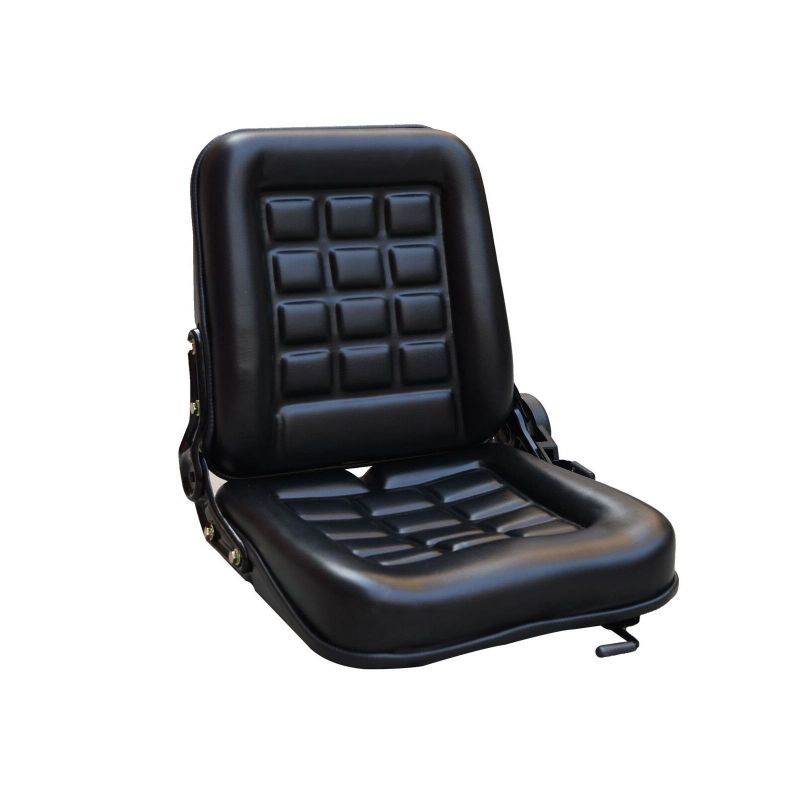
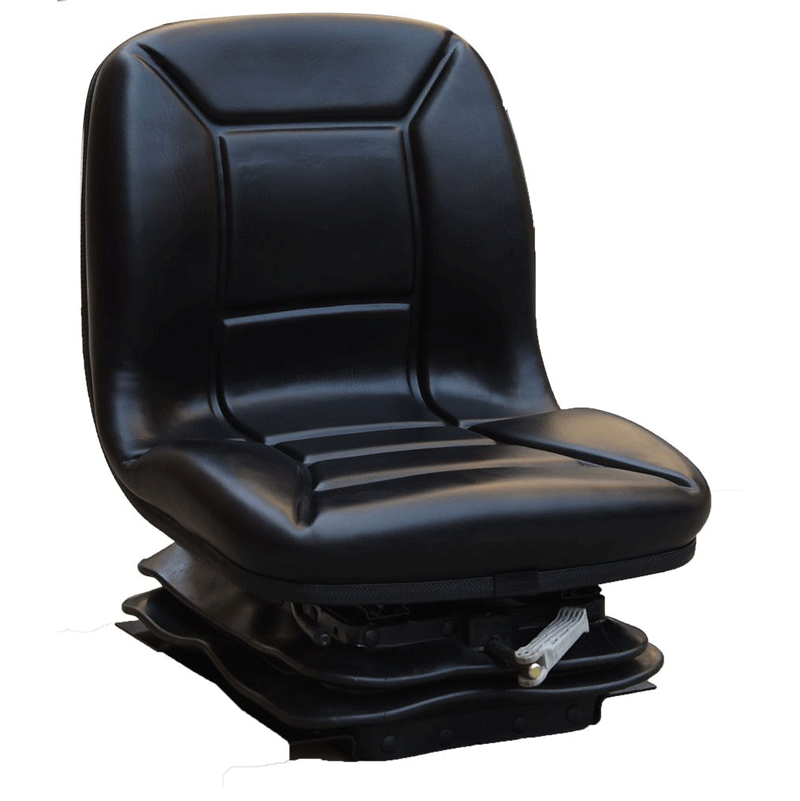
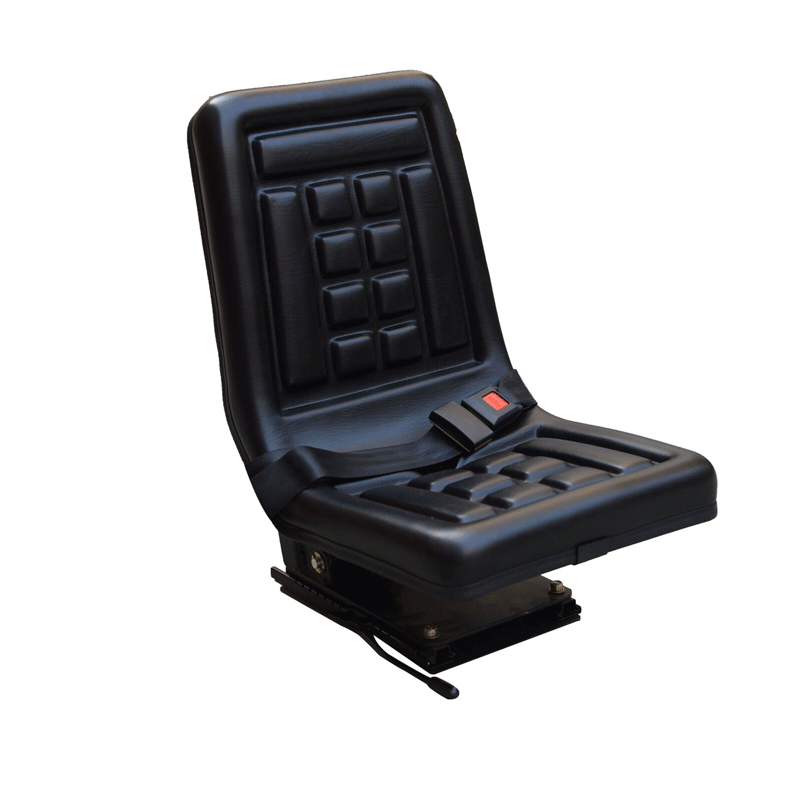
Field-Tested Notes on the NEW tractor seat: a practical look at the modern mechanical tractor seat I’ve spent enough dawns bouncing across loamy fields to know when a seat gets it right. The NEW tractor seat, built in Yuhua District, Shijiazhuang, Hebei, China, aims straight at the sweet spot: ergonomic support, reliable mechanical suspension, and materials that shrug off mud and rain. To be honest, that’s what most operators actually need—not more electronics. What’s trending in ag seating Industry chatter favors simpler, serviceable designs with decent vibration control. Mechanical suspensions are having a moment again—lower cost, fewer failure points. Add high-density foam and a tough vinyl, and you’ve got a seat that, as many customers say, “just works all season.” Technical snapshot The NEW tractor seat’s core is a spring-based suspension with an adjustable backrest, slide rails, and high-density foam under waterproof vinyl. In real fields (and frankly some brutal orchard ruts), it feels predictable—no sudden bottoming out. Spec NEW tractor seat (≈ values) Suspension travel ≈ 80 mm mechanical, spring preload adjustable Foam High-density PU, cold-cured, 55–60 kg/m³ Cover material Durable waterproof vinyl, UV-resistant Backrest/slide Recline adjustable; slide ≈ 150 mm Mounting Common patterns, SIP per ISO 5353 reference Max user weight ≈ 130–150 kg (real-world use may vary) Process flow and testing Materials: powder-coated steel pan and rails, PU foam, vinyl, zinc-plated fasteners. Methods: stamping, robotic welding, phosphate pretreatment, powder coat, foam molding, upholstery, torque-controlled assembly. Testing standards and data (lab samples): Vibration evaluation vs. ISO 7096/ISO 2631-1 guidance: up to ≈ 20–30% RMS seat acceleration reduction on rough farm profiles. Static load/Endurance: 150 kg x 50,000 cycles (seat/back), no structural cracks observed. Corrosion: hardware salt-spray ≈ 72 h, no red rust on coated fasteners. Service life: many fleets report 5–7 seasons with basic care—your dust, UV, and operator habits matter. Where it fits Use cases: row-crop tractors, orchards, compact utility tractors, small construction loaders, municipal sweepers. Advantages: straightforward mechanics, comfortable foam density, weather-tough cover. Certifications: designs aligned with ISO 5353 SIP reference; seatbelt provisions available to support SAE J386 compliance when specified. Vendor landscape (quick take) Vendor Suspension Price band Lead time Certs/Notes NEW tractor seat (Changshu OKJ) Mechanical, ≈80 mm Mid Usually 15–30 days ISO references; robust vinyl; customization options OEM A (EU brand) Mechanical/Air High Stock dependent Wide dealer network, premium trims Supplier B (budget import) Mechanical Low Variable Basic foam; check mounting pattern carefully Customization and real feedback Options: stitching colors, embroidered logos, armrests, seat switches, heaters, extra-thick foam, alternate slide patterns. One vineyard buyer told me the upgraded vinyl “wiped clean after a grape mash mishap”—not a lab metric, but useful. It seems the mechanical tractor seat simplicity wins trust. Quick case study A 12-tractor vegetable farm retrofitted NEW seats pre-planting. Operators reported less lower-back fatigue after 10-hour passes. Downtime: near zero—no compressor, no electronics. The farm kept two spare cushions; never used them in season one. Standards and references: ISO 5353 (SIP), ISO 7096 (seat vibration for machinery), ISO 2631-1 (whole-body vibration), SAE J386 (seat belt requirements). Always confirm your exact model’s configuration for compliance and mounting patterns. ISO 7096: Earth-moving machinery — Laboratory evaluation of operator seat vibration. https://www.iso.org ISO 2631-1: Mechanical vibration and shock — Evaluation of human exposure. https://www.iso.org ISO 5353: Earth-moving machinery, and tractors and machinery for agriculture and forestry — Seat index point. https://www.iso.org SAE J386: Operator Restraint System for Off-Road Work Machines. https://www.sae.org

Our Products
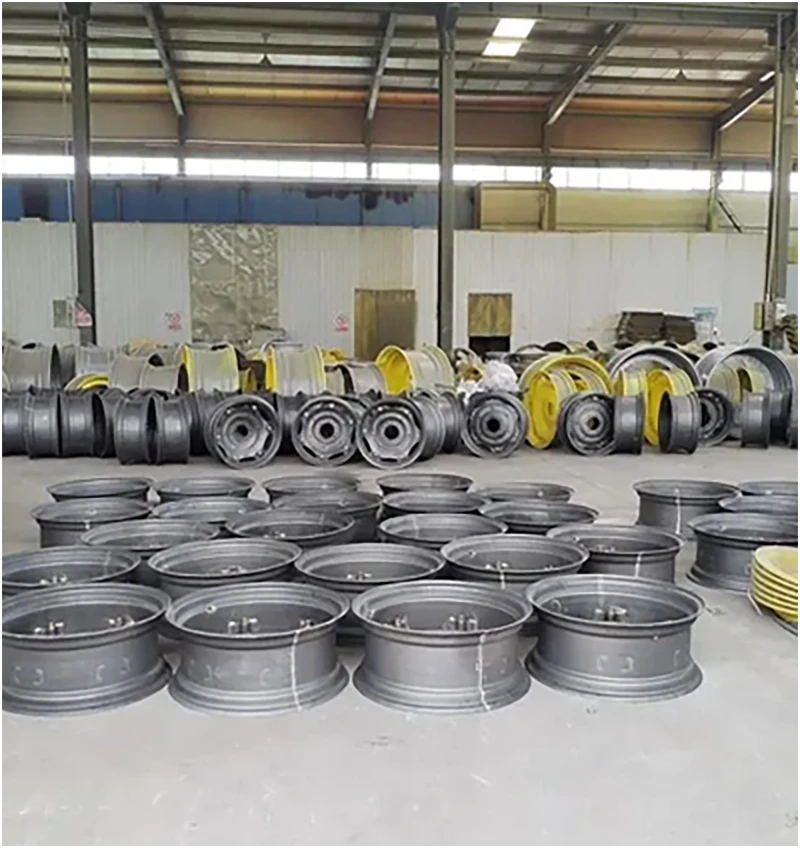
The manufacturer integrates casting machining paint and delivery into one. We can cast logo on the valve
body or as clients' requirements to produce.
body or as clients' requirements to produce.

Success Cases
The manufacturer integrates casting machining paint and delivery into one. We can cast logo on the valve
body or as clients' requirements to produce.
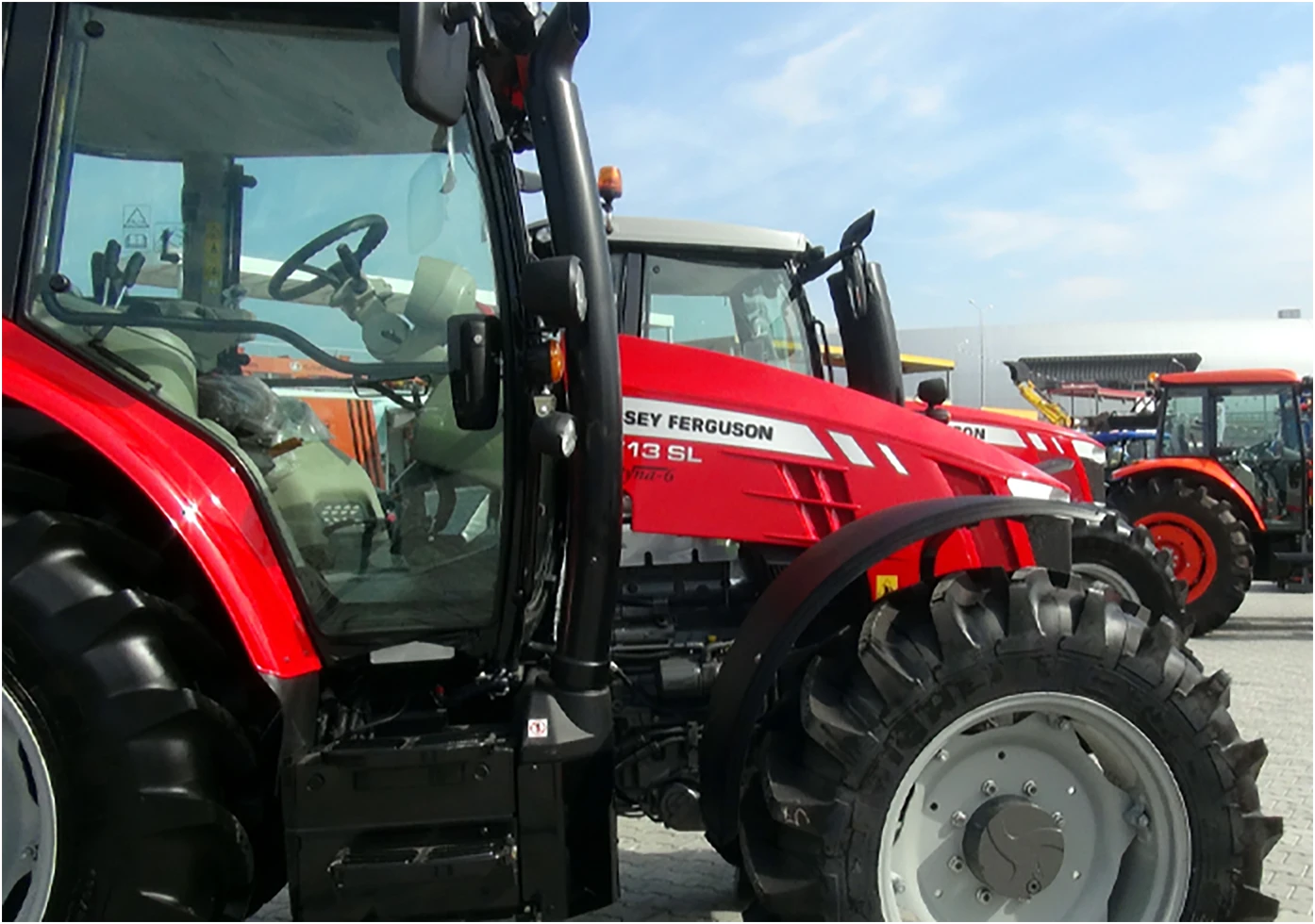
advantages
Unlock Exclusive Advantages
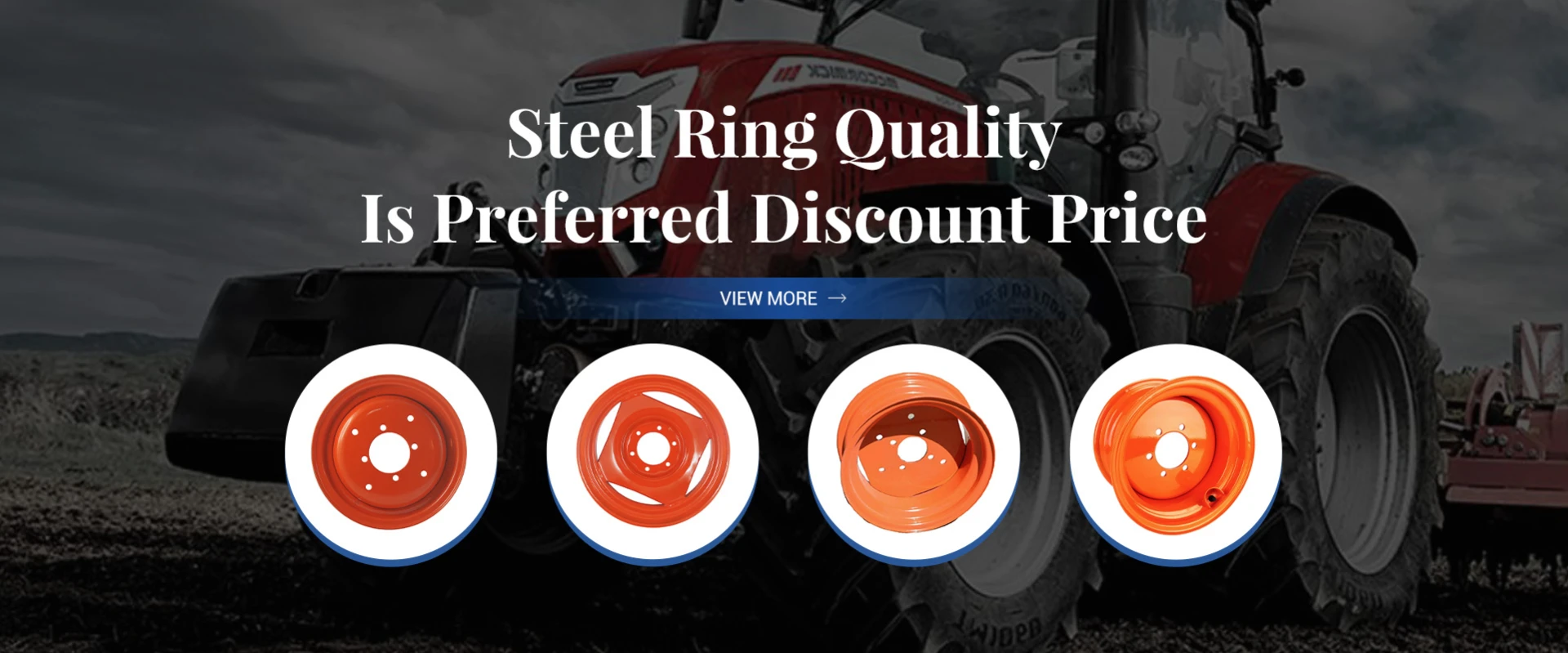
Changshuo Tech specialize in manufacturing and exporting for electric cable and tractor
wheel rim & seats for over than 20 years.
wheel rim & seats for over than 20 years.
-

 Delivery TimeOrders can be delivered in 2-3 weeks after the confirmed and prepayment-paid
 -

 Cooperate ImportersMore than 10importers from Southeast Aisa for cables and 30 importers for tractor spare parts
 -

 After-Sale Service24 hour-service is available after sale, any problems will be resolved by negotiate
 -

 PackageStandard export Package, OEM or ODM package is available
Recent Important Stories
Changshuo Tech specialize in manufacturing and exporting for electric cable and tractor
wheel rim & seats for over than 20 years.
wheel rim & seats for over than 20 years.